Find the right AI for your work, fast.
CoAI is a directory that helps you search, discover, and compare AI tools for work.
Tools listed
174
Categories
25
Updated weekly
New AI tools every week
Featured AI tools
Hand-picked tools trending right now
ChatGPT
OpenAI’s conversational AI for answering questions, writing, summarizing, coding, and exploring ideas.

Claude
Anthropic's conversational AI assistant, strong at long-document understanding and natural writing.

Canva AI
Design made easy — a design platform expanded by AI.

Midjourney
A popular image-generation AI known for high-quality, artistic output.

Notion AI
An AI assistant built into your Notion workspace for writing, summarizing, and organizing.
Browse by purpose
Find the best AI tool for what you want to do
This week's ranking
Top 5 popular AI tools
ChatGPTOpenAI’s conversational AI for answering questions, writing, summarizing, coding, and exploring ideas.2ClaudeAnthropic's conversational AI assistant, strong at long-document understanding and natural writing.3Canva AIDesign made easy — a design platform expanded by AI.4MidjourneyA popular image-generation AI known for high-quality, artistic output.5Notion AIAn AI assistant built into your Notion workspace for writing, summarizing, and organizing.New AI tools
Recently added tools worth a look

Orcha
Sales Marker's multi-AI agent for research, on-brand slide creation and meeting analysis.

Felo
Multilingual AI search from Tokyo-based Felo Inc. that turns search results into slides and documents.

Google Flow
Google Labs' AI filmmaking tool with Veo video and Nano Banana image generation in a single workspace.

Fotor
An online image editor combining photo editing, AI image generation, video generation and design tools.
Latest news
What's new in AI tools and models
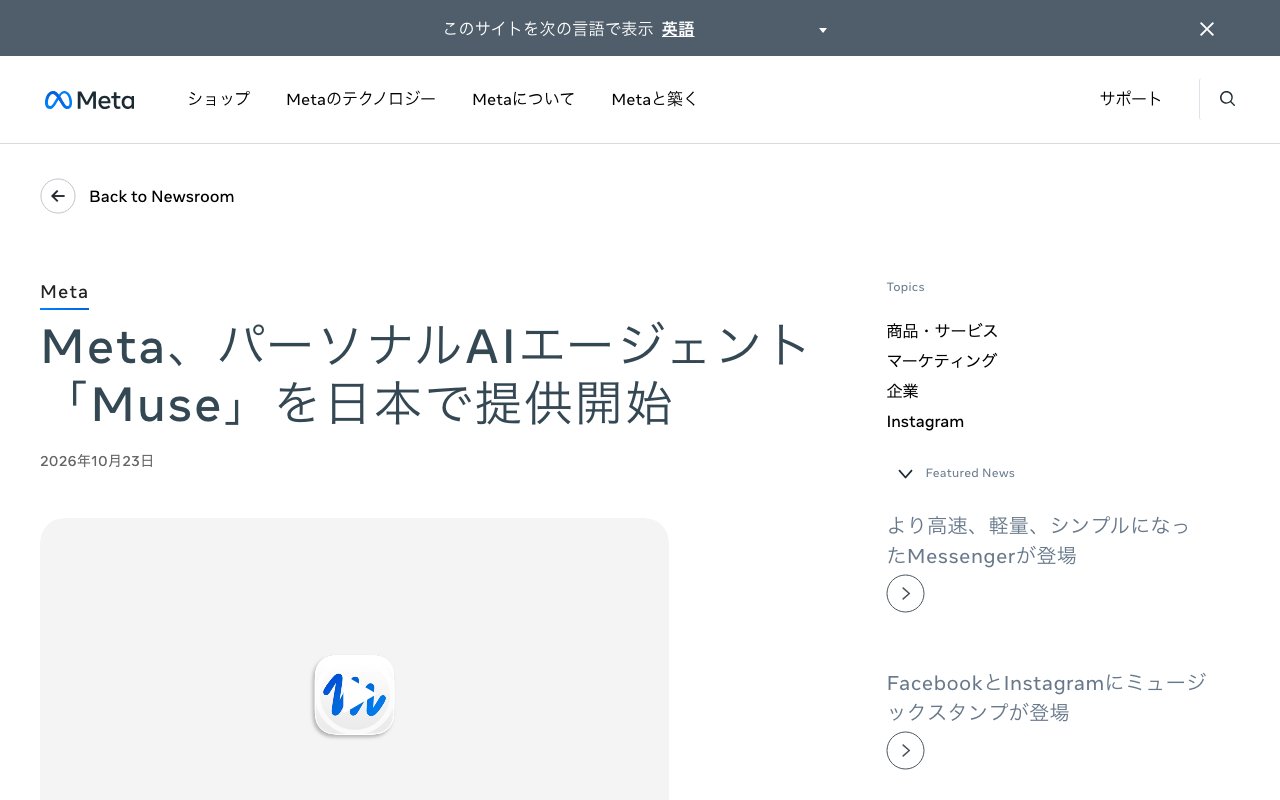
Meta Launches Its AI Agent Muse in Japan, Its First Market Outside North America, With Mercari, Money Forward ME and Ticket Pia Integrations to Come
On October 23, 2026, Meta launched Muse in Japan, an AI agent that handles tasks such as sending emails and booking trips on a user's behalf. Japan follows North America, where it launched in September, and is the first market outside North America. It is available in the iOS and Android apps and at muse.ai, and many basic features are free.

Notice of Completed Maintenance
We carried out server maintenance for security purposes from October 21 to 22, 2026.
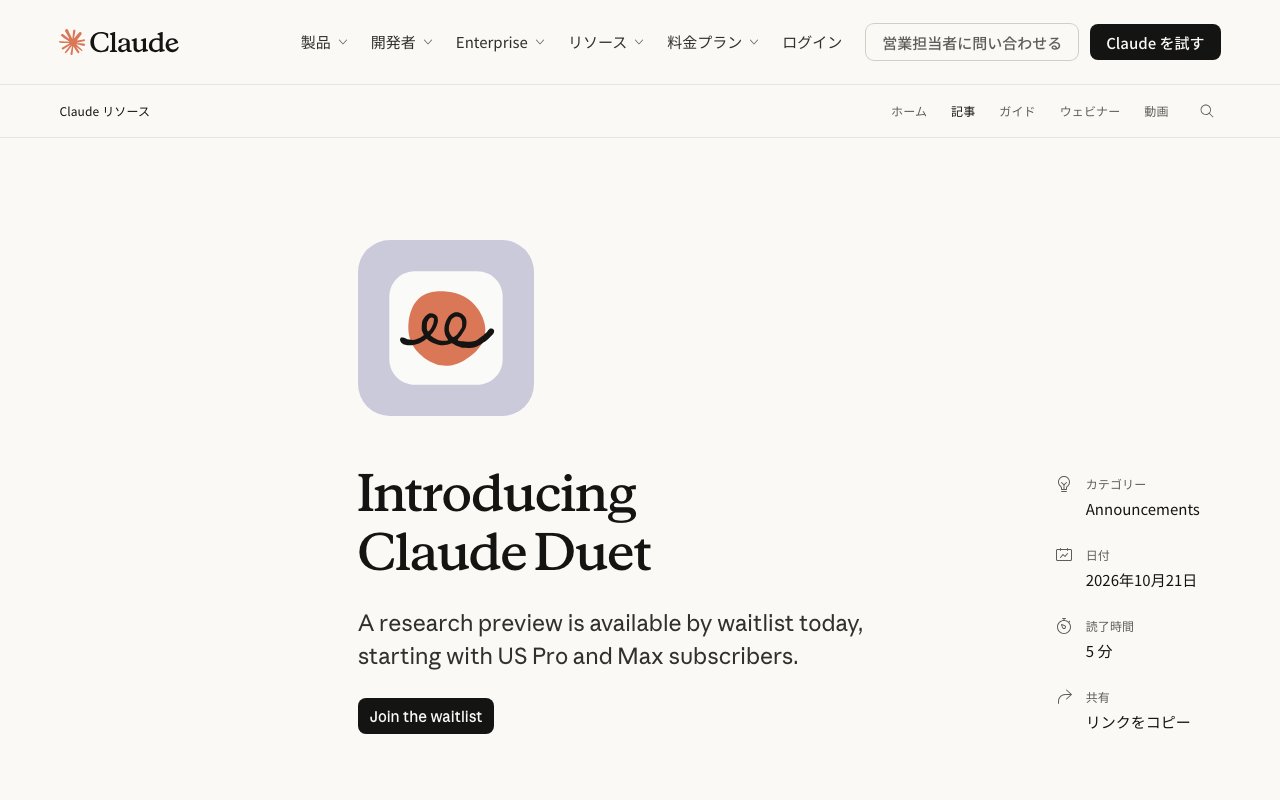
Anthropic Unveils Claude Duet, a Proactive AI Agent That Watches Your Connected Apps and Sends Morning Briefings and Approval Requests
On October 21, 2026, Anthropic released Claude Duet, an AI agent that acts before you ask, as a research preview. It checks connected apps such as email and Slack every few hours and sends a morning briefing and alerts when something needs your attention. It is first available to Pro and Max subscribers in the U.S. who join the waitlist.
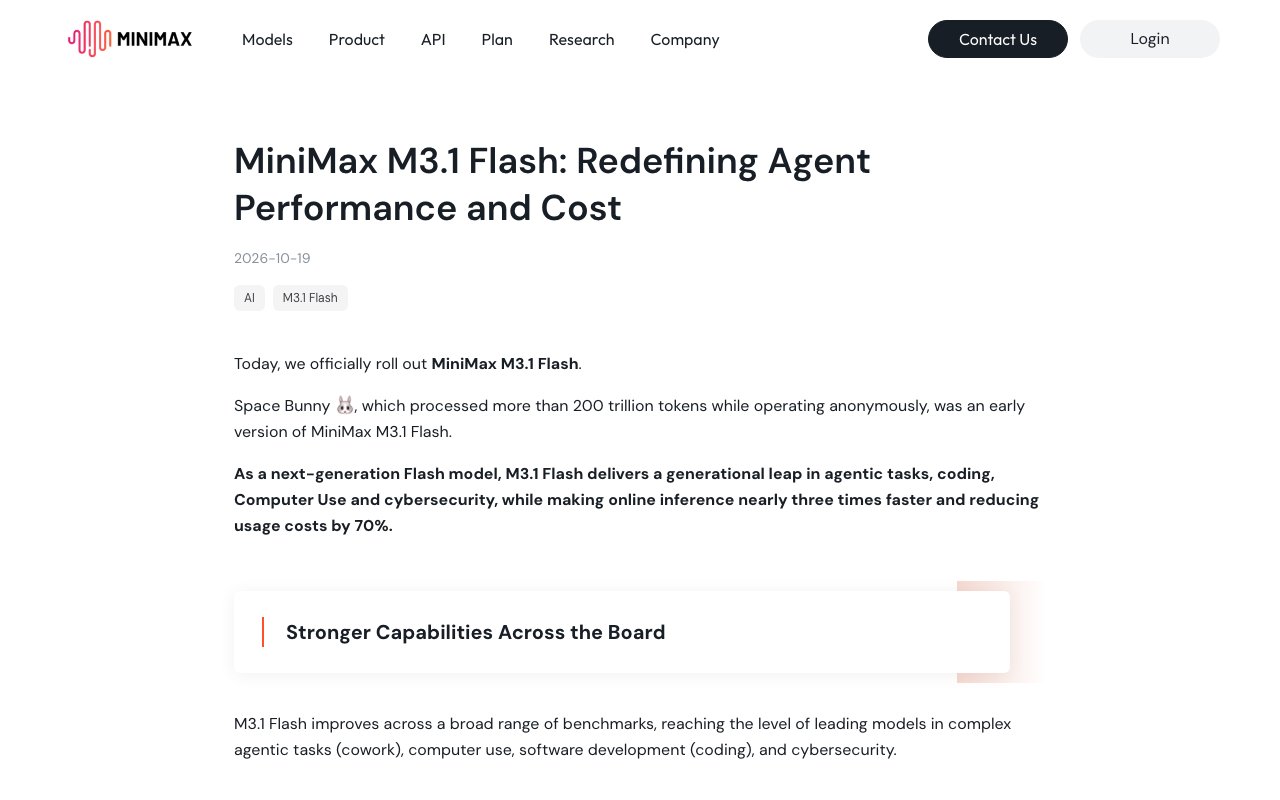
MiniMax Releases Lightweight "M3.1 Flash" Model, About 3x Faster with 70% Lower Agent Costs, and Reveals the Identity of the Mysterious "Space Bunny"
On October 19, 2026, China's MiniMax released "MiniMax M3.1 Flash," a light and fast language model. The company says inference is about three times faster than the previous generation and agent workloads cost 70% less. It also revealed that "Space Bunny," a model offered without a name attached, was an early version of this model.
Guides & comparisons
How-tos and articles to get more out of AI
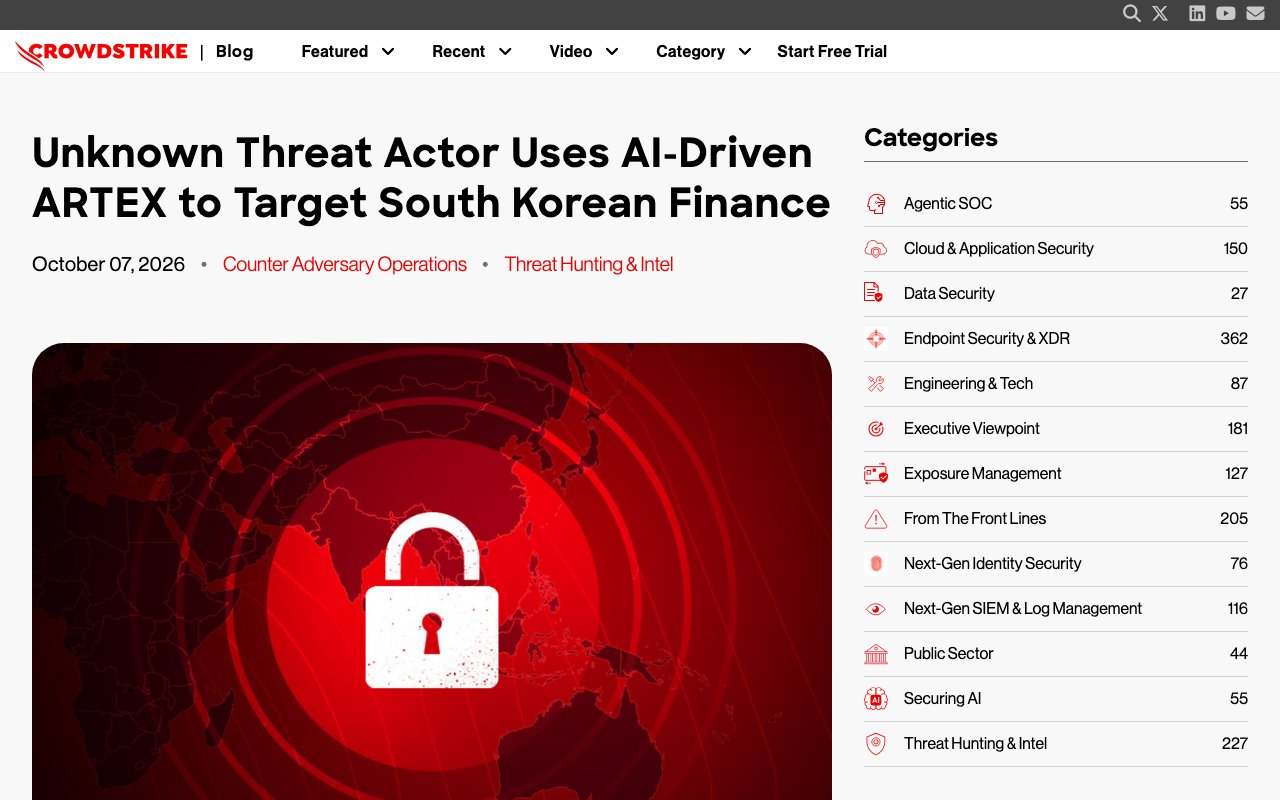
What Is ARTEX? How the Chinese AI Penetration Testing Tool Behind the South Korean Bank Attacks Works, What Happened and How to Defend (2026)
ARTEX is an open-source AI penetration testing tool released by a Chinese developer in July 2026. It was reported as the tool used by the attacker behind the breaches of 16 South Korean financial firms from late September to October 2026, and its use was also confirmed in Japan in October. Drawing on primary reports from CrowdStrike and others and on Korean, Japanese and English-language coverage, this guide covers how it works, what happened, how Claude Code and DeepSeek were involved, and what companies should do.
What Is SynthID? How Google's AI Watermark Works and How to Identify AI-Generated Images and Videos
SynthID is a Google DeepMind technology that adds an invisible digital watermark to AI-generated images, video, audio and text so they can be identified later. Based on official information as of October 9, 2026, this guide covers how it works, which services use it, how to check for it in the Gemini app and SynthID Detector, its limitations and how it differs from C2PA.
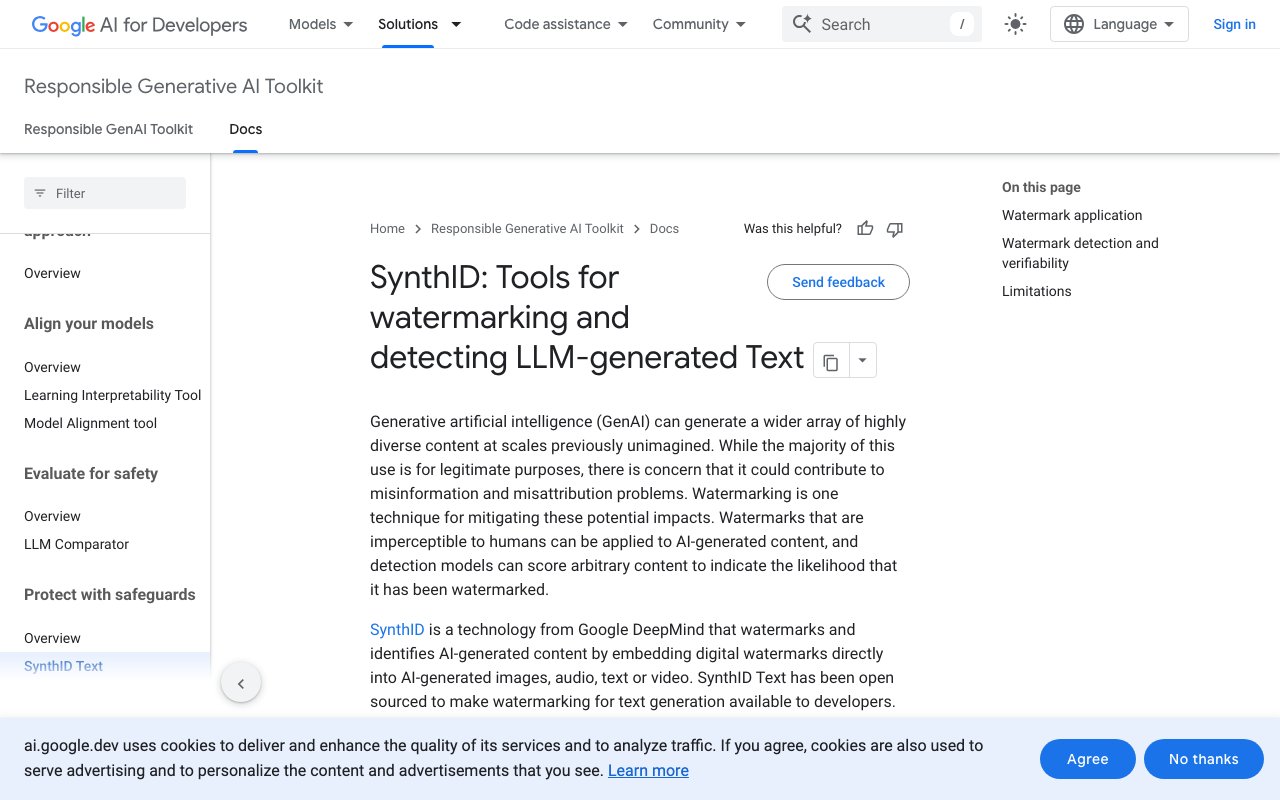
What Is SynthID Text? How the Watermark in AI-Written Text Works, How to Use It and Its Limits
SynthID Text is an open-source technology developed by Google DeepMind that adds an invisible watermark to text generated by AI. Based on official sources, this guide explains how it leaves the watermark in word choice, how to use it with Hugging Face Transformers, how detection works and where it struggles.
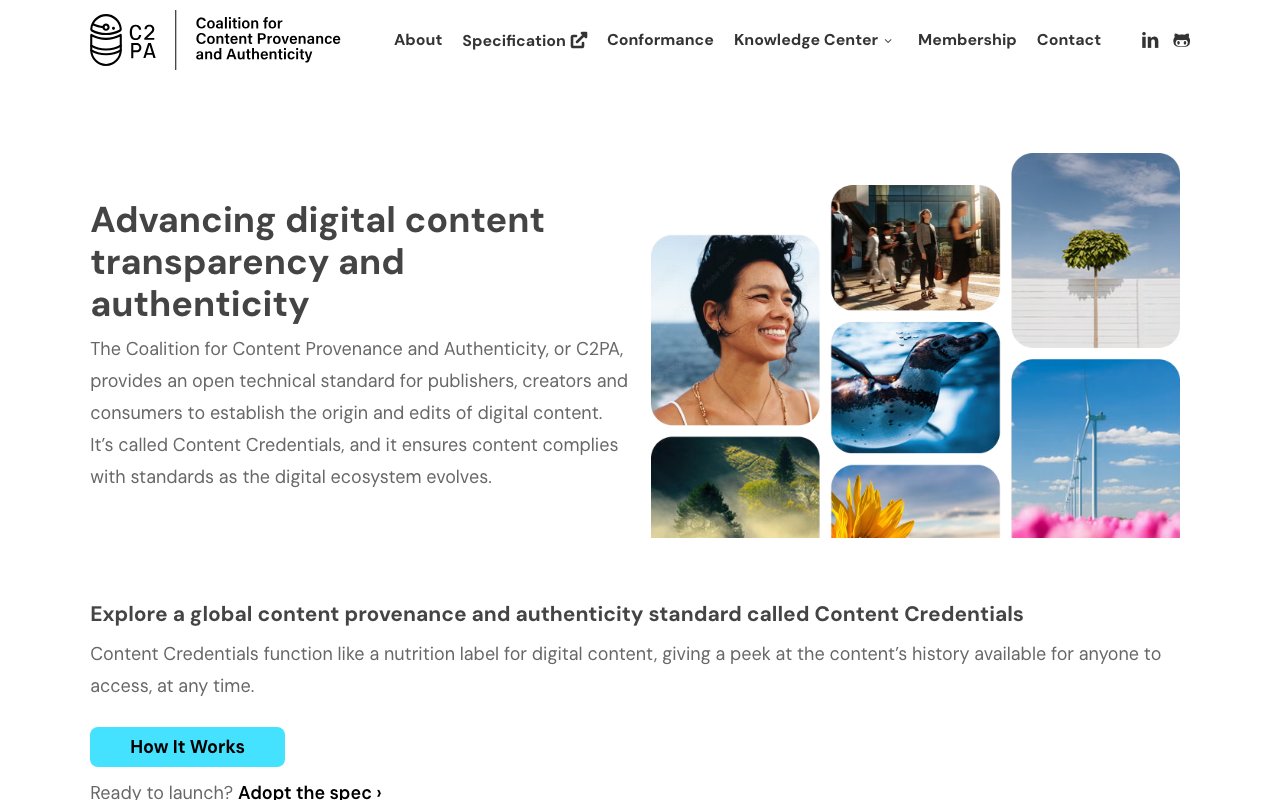
What Is C2PA? How Content Credentials Work, How to Check Them and How They Differ from Watermarks
C2PA is an international standard that records, as signed information in a file, "when, by whom and with which tool" an image, video or other content was created and how it was edited. Based on official information, this guide covers how it works, support in ChatGPT, Google Pixel and elsewhere, how to check it, its limitations and how it differs from digital watermarks such as SynthID.